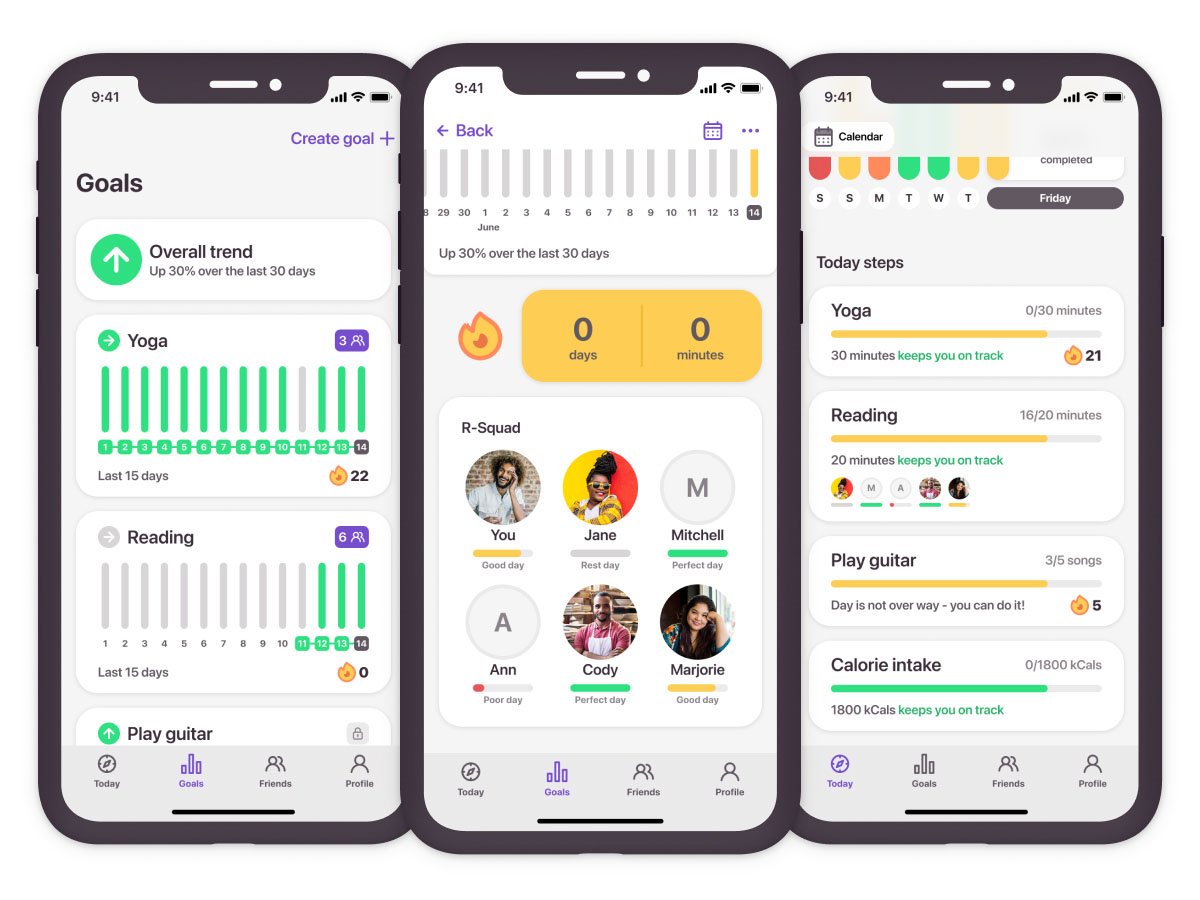
Gradient was already in closed beta with 150+ users when I joined. The general feedback was positive since the app allowed you to track anything you wanted. But the beta showed a couple of issues: progress charts were hard to read, while cumulative scoring was confusing.
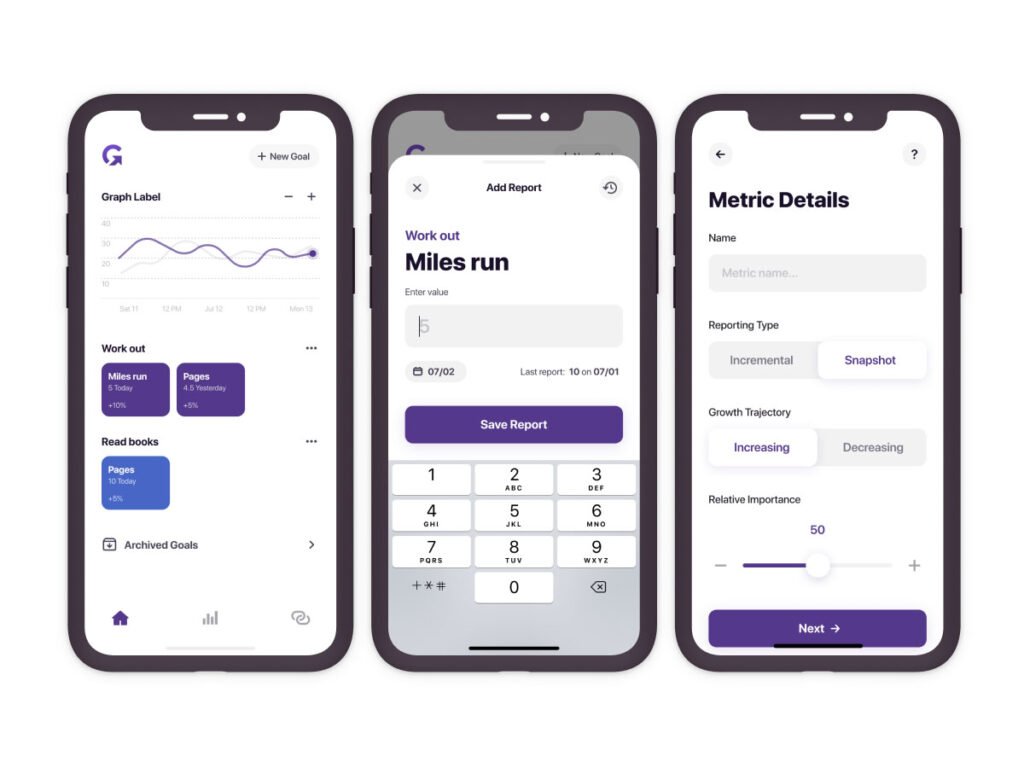
The founder had a wide view of where Gradient could go. My job was to run the research that would focus us on what actually mattered to users. The brief was open-ended enough that I could shape the product, not just validate it.
I ran weekly sessions of 5-6 people across five rounds. Each week started with the current prototype, starting with rough wireframes and ending with a complete product design.
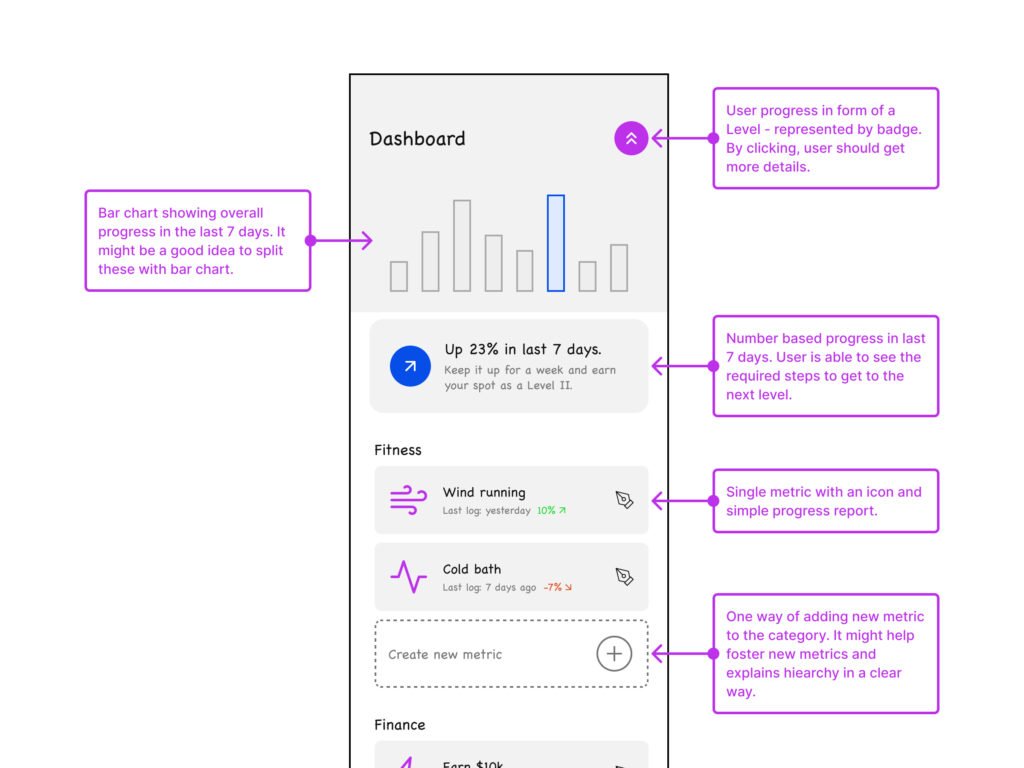
The beta already showed that flexibility was important, and the research confirmed it. Users wanted to track anything, on any schedule, in their own units. We knew we should lean into flexibility even more.
Listening to how users talked about the goals they would track, I found a most significant discovery. They talked about gym buddies, study partners, and family members keeping them accountable. They were trying to develop a habit by sharing it with others. The beta had completely ignored this aspect, and I set out to change it.
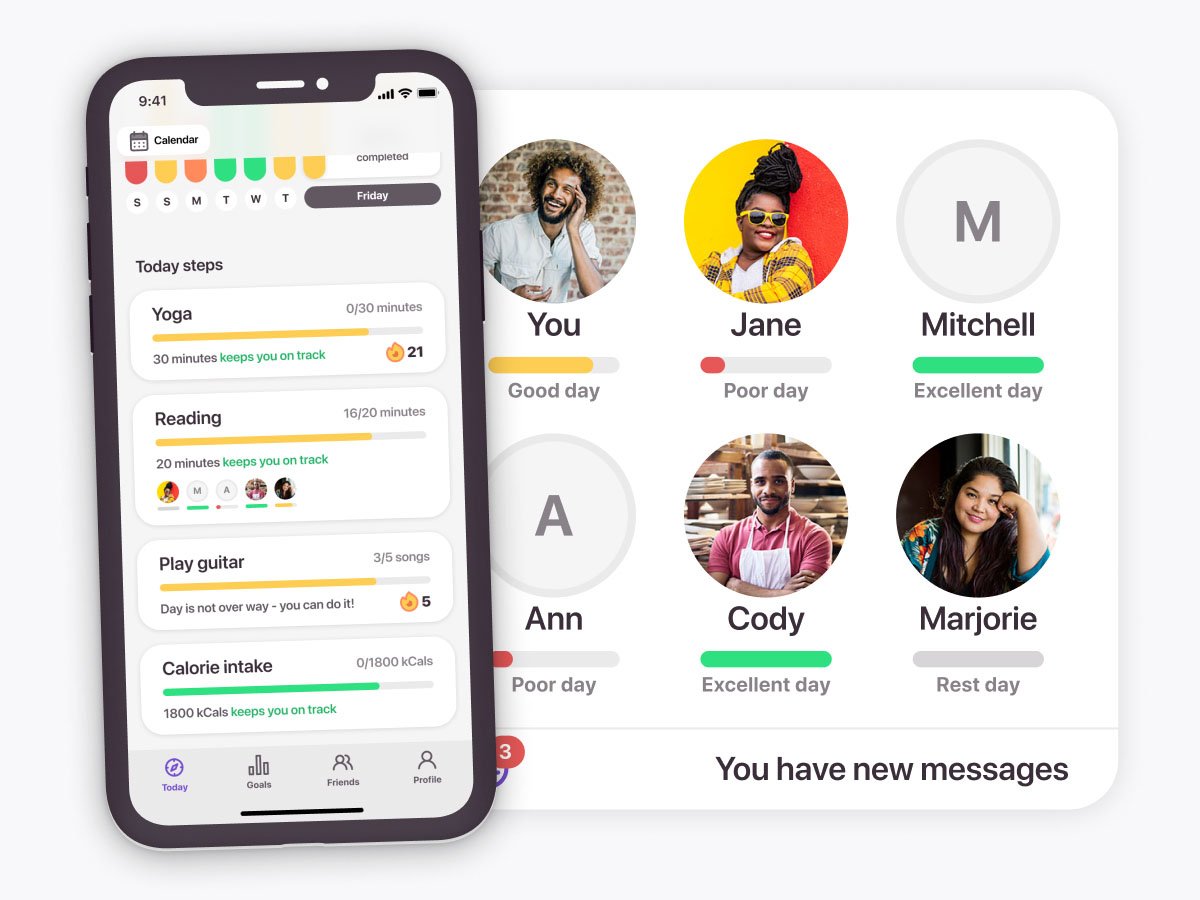
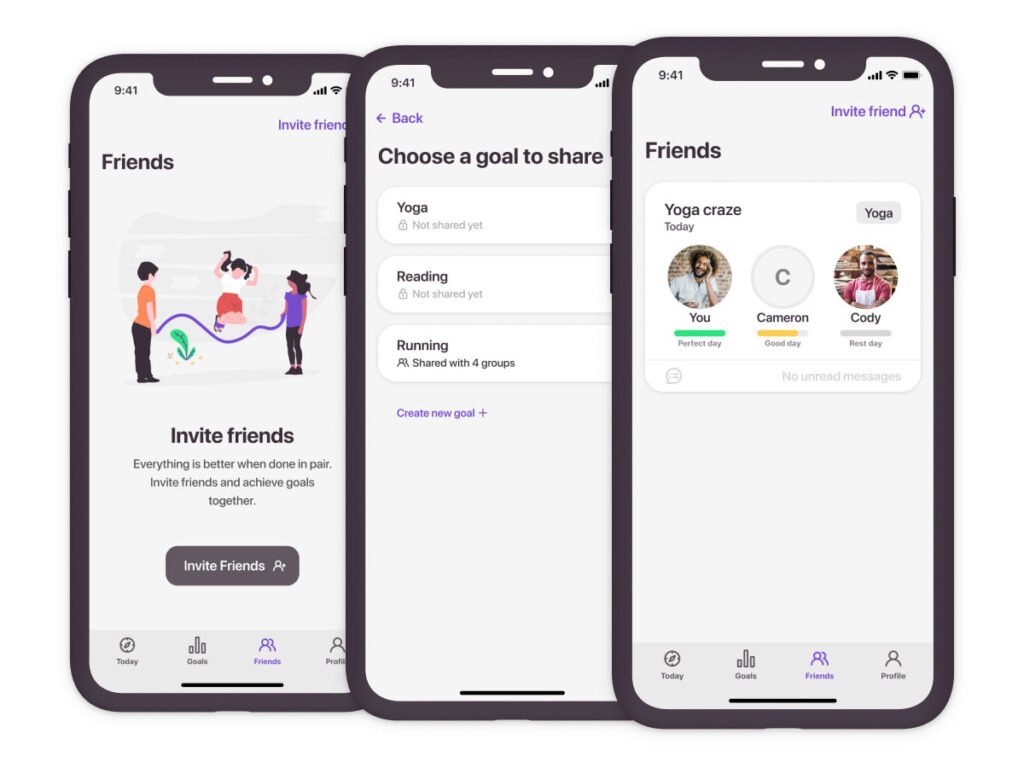
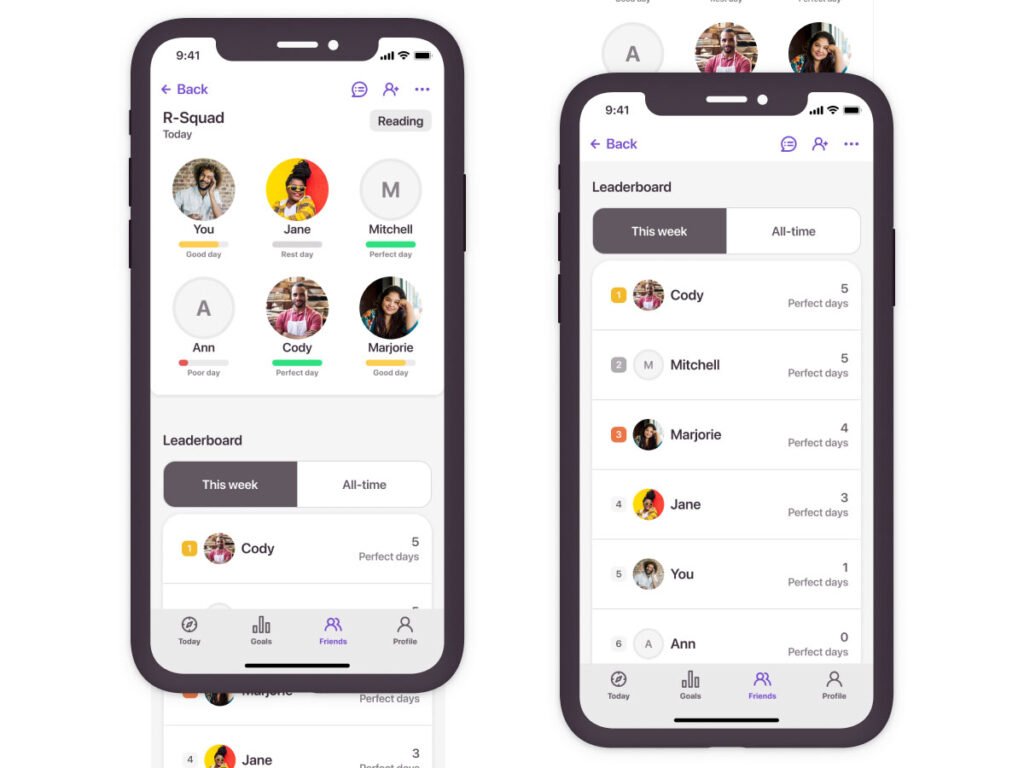
The Shared Goals feature lets users invite others and achieve goals together. Each participant is able to see the daily progress of others. What made it work wasn't just the accountability mechanic, but plugging the existing relationships instead of asking users to find and join a community. On that note, users are able to invite others who don't have an account, which could potentially turn this feature into a natural acquisition channel.
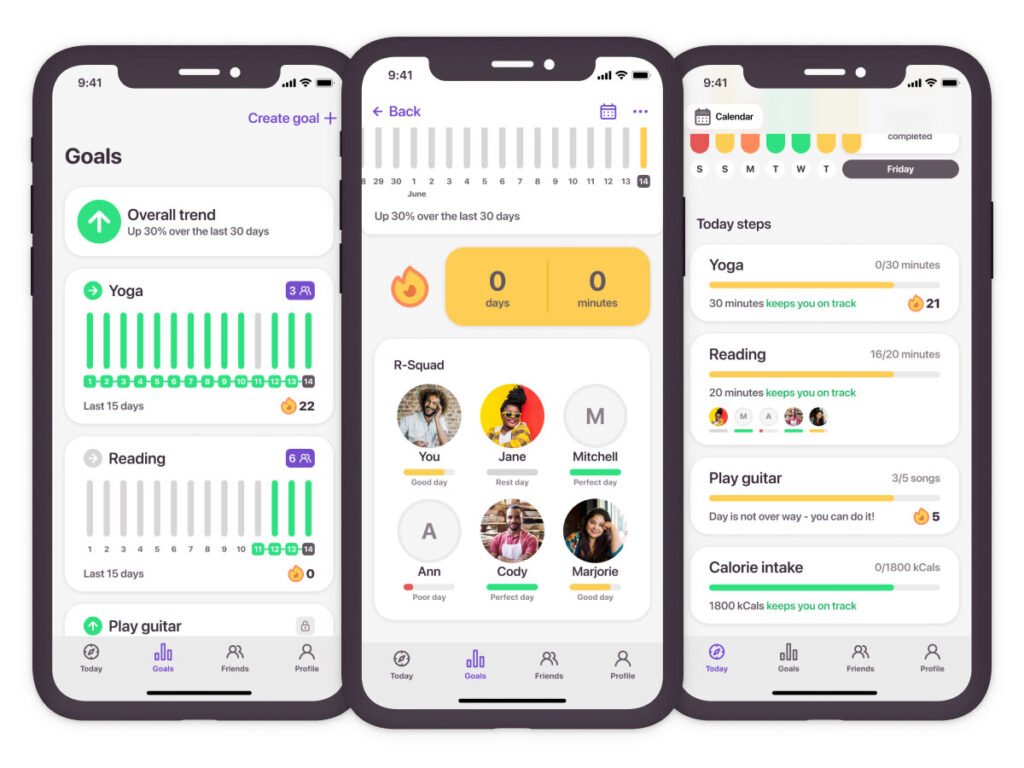
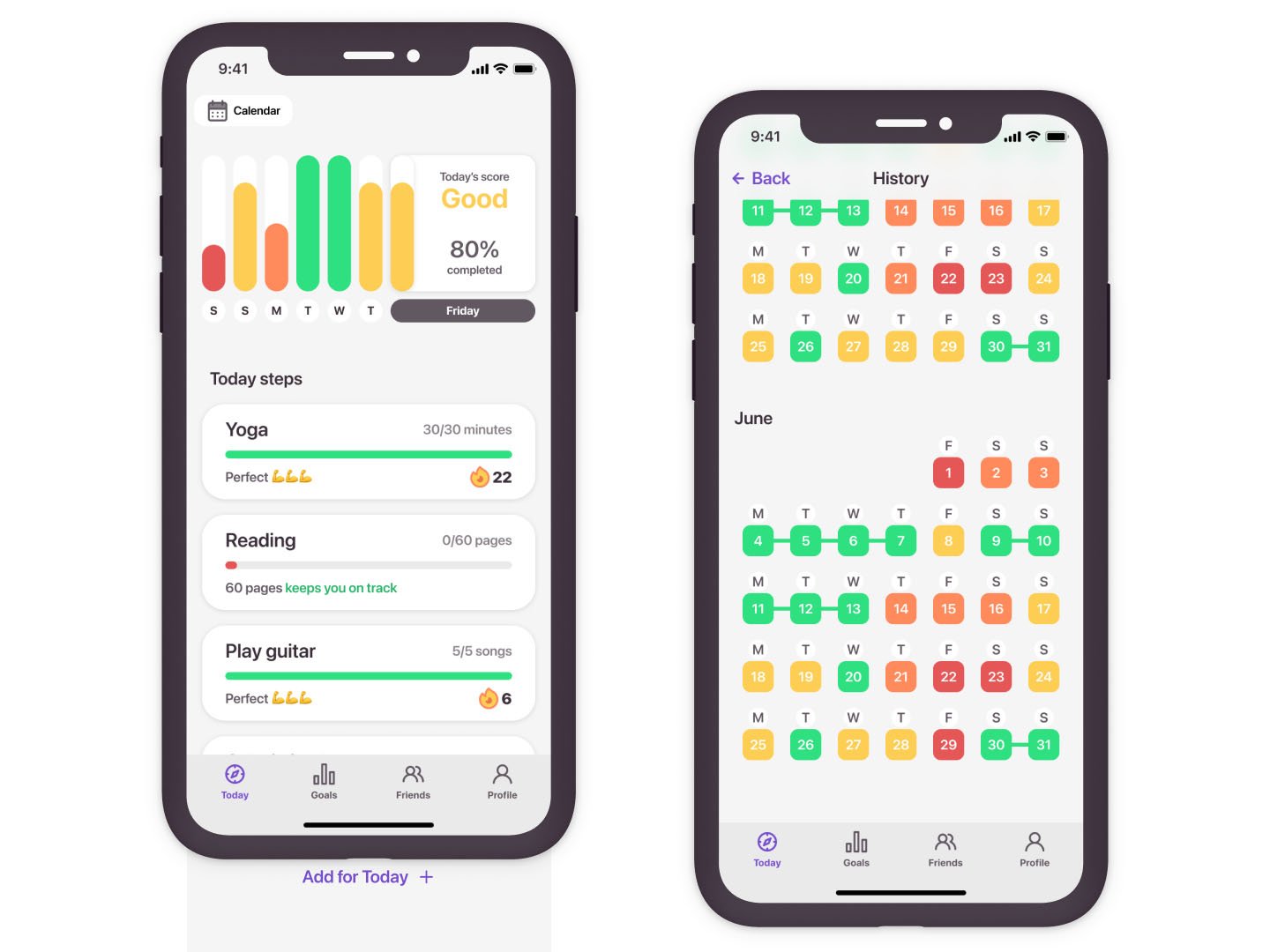
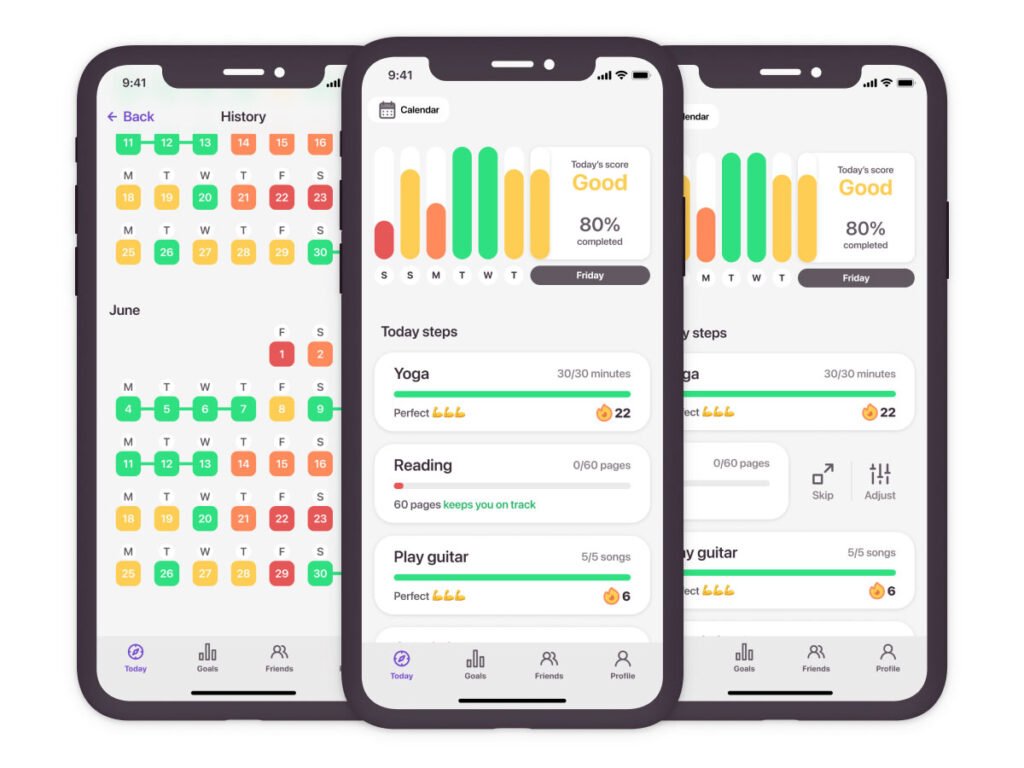
Many times over, users stated that they felt lost on where they stood day-to-day. I redesigned a Today screen to show consolidated daily steps and a cumulative score, with an option to shuffle through past days (calendar view). Additionally, I've added gamification details, like streaks, to make the app feel active and fun in contrast to the initial beta design.
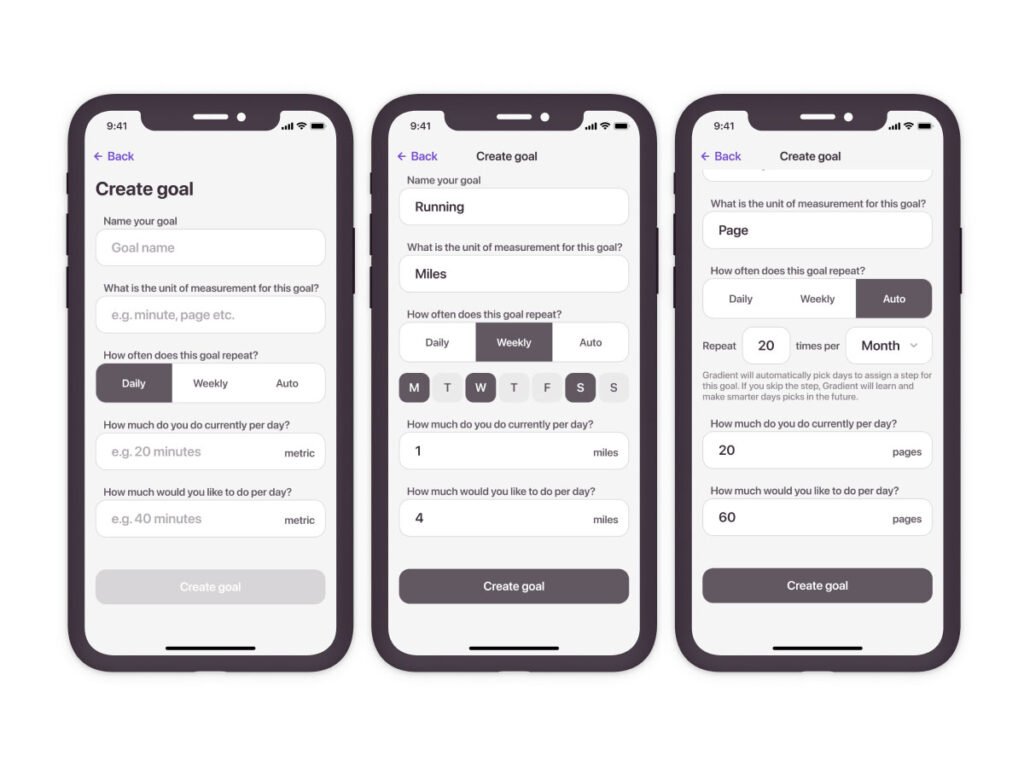
We expanded repeat options to cover specific days and relative monthly dates, let users set completely custom measurement units, and added the ability to skip and adjust steps. That flexibility stayed at the core of the product with noticeable improvements.
Alongside the app design and design system, I built Gradient's Webflow marketing site, including shaping the value proposition. This came in later as the product needed a public presence for early user acquisition, and it was an opportunity to make sure the positioning reflected what the research had actually found. I also prepared a fully clickable Figma prototype covering all flows, which the founder used directly in investor meetings.
The iterative process produced a product that users were genuinely excited about. The combination of flexibility and social layer resonated quite well. The prototype and product attracted a $100K angel investment offer, which the founder chose to decline in order to pursue other ventures.
Let's meet and discuss it