Fabbrura was founded in 2020 by my sister and me to combine tradition with convenience through artisanal pasta.
This pasta was designed to be unique. We used slow-drying methods (below 45°C) to retain nutrients. We sourced premium semolina. Our pasta’s rough texture, thanks to bronze dies, also held sauces better for a richer meal experience.
Apart from being health-oriented, we prioritized quality and convenience by introducing tools to standardize pasta size and hydration, ensuring every batch met our high standards.
We managed to enter supermarkets in Belgrade and Novi Sad and secured an export partner. In 2022, we sold the brand, marking the end of an incredible journey.
Fabbrura was born in 2020 as a passion project between my sister and me. We wanted to take our love for food and turn it into something that felt meaningful - something that combined tradition with modern convenience. That's where the idea of artisan pasta production came into play.
Although we focused on making pasta, our vision went beyond simply offering a product. We aimed to create a solution for busy people who crave a quick, easy, and delicious base for their meals - without sacrificing quality. Pasta, after all, is often the starting point of a meal, and we wanted Fabbrura’s pasta to stand out. Whether it’s a weeknight dinner or a special occasion, we wanted our customers to feel like they were enjoying something premium and thoughtfully crafted.
Pasta has long held cultural significance, particularly in Italy, where it’s not just a food, but a tradition. However, this tradition is no longer confined to Italy. National cuisines have gone global, and pasta is now a staple on dinner tables around the world.
This trend is especially strong among younger generations who are heavily influenced by social media and culinary shows. As a result, pasta has solidified its place in global cuisine, crossing borders and connecting people from different backgrounds.
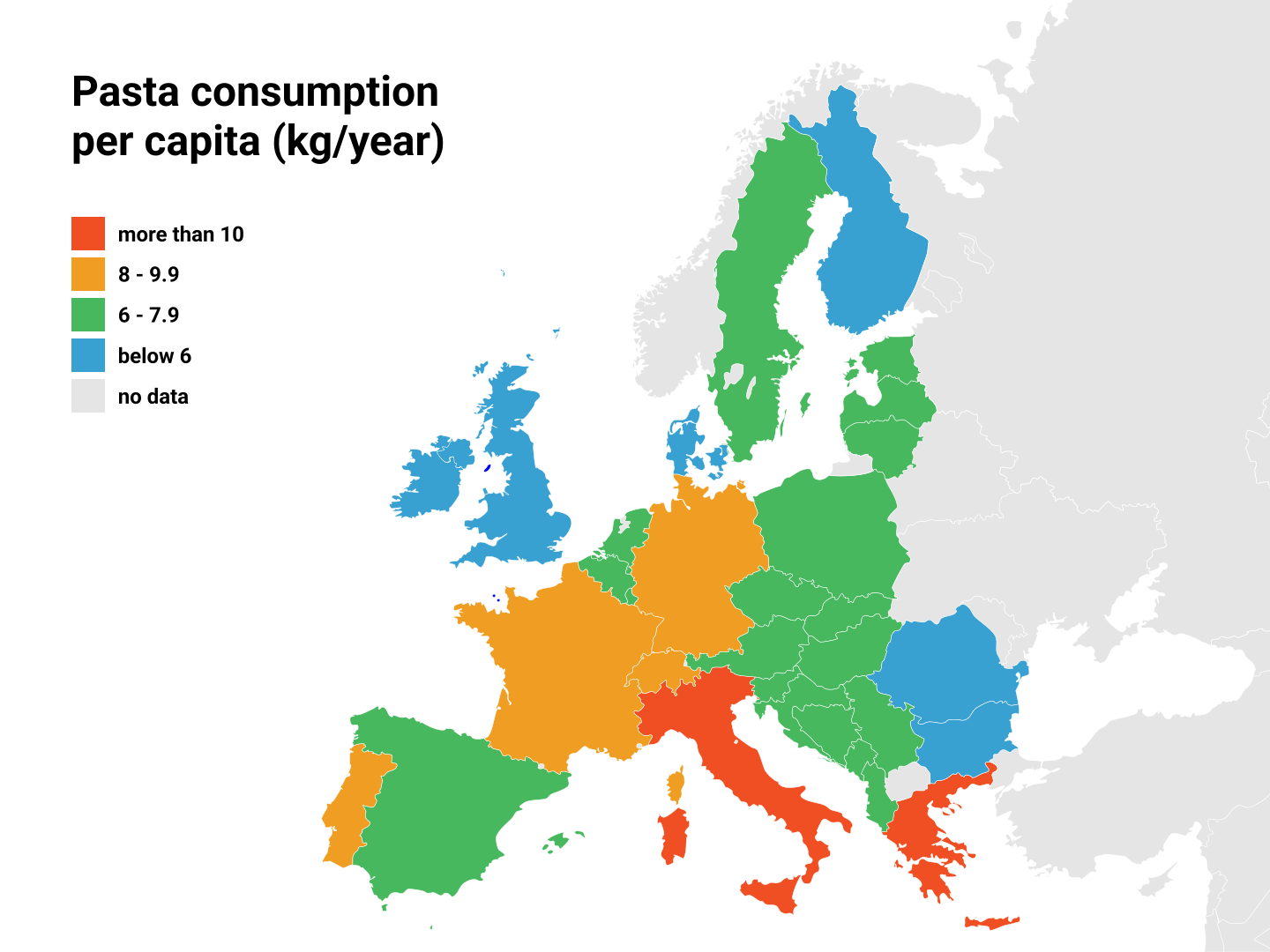
One of the reasons for pasta’s popularity is its ease of preparation and incredible versatility. It’s a go-to meal for those who want something quick and satisfying without much hassle. You can whip up a delicious pasta dish in minutes, pairing it with a wide variety of sauces, vegetables, or meats. This convenience makes pasta especially appealing to busy individuals and families, particularly in urban areas where time is limited and meal prep needs to be efficient.
However, as health trends continue to evolve, there has been a shift in how people perceive traditional pasta. Some consumers now question whether pasta can truly be part of a healthy lifestyle. With more awareness about nutrition, many people are becoming conscious of the ingredients in their food. There’s an increasing demand for transparency, as consumers want to know exactly what’s in the products they’re eating.
While well-known pasta brands like Barilla, De Cecco, and Divella have established themselves in the market, we wanted to create something more artisanal - pasta that not only delivers on taste but also on quality and nutrition.
One of the key ways Fabbrura stands out is in how our pasta is dried. Unlike most mass-produced pastas, which are dried at high temperatures to speed up the process, we took a much slower, more thoughtful approach. Our pasta was dried at low temperatures, below 45°C, which mimics the traditional sun-drying method. This gentle process helps retain the pasta’s natural nutrients, preserving its flavor and nutritional profile.
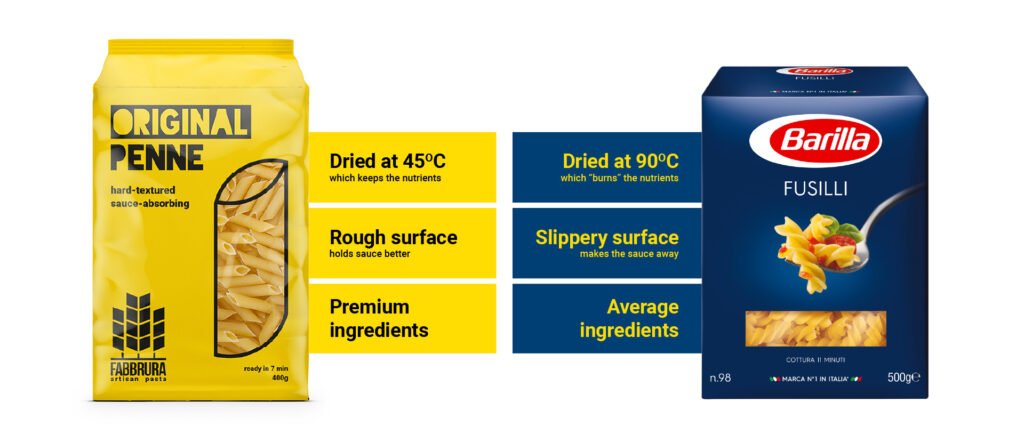
When pasta is dried at high temperatures, proteins can crystallize - think of it like overcooking an egg. The structure of the pasta becomes too rigid, which can affect the taste and texture. By drying at lower temperatures, we maintained a smoother, more mellow texture that resulted in the perfect "al dente" bite - a quality that set our pasta apart from more industrial brands.
To achieve this level of quality, you need the very best semolina. We sourced semolina from various mills in Hungary, Austria, and Italy before finally settling on Grandi Molini near Venice. Their semolina offers a protein content of at least 14%, combined with a high gluten index, ensuring that our pasta has both the strength and elasticity needed to create a superior product.
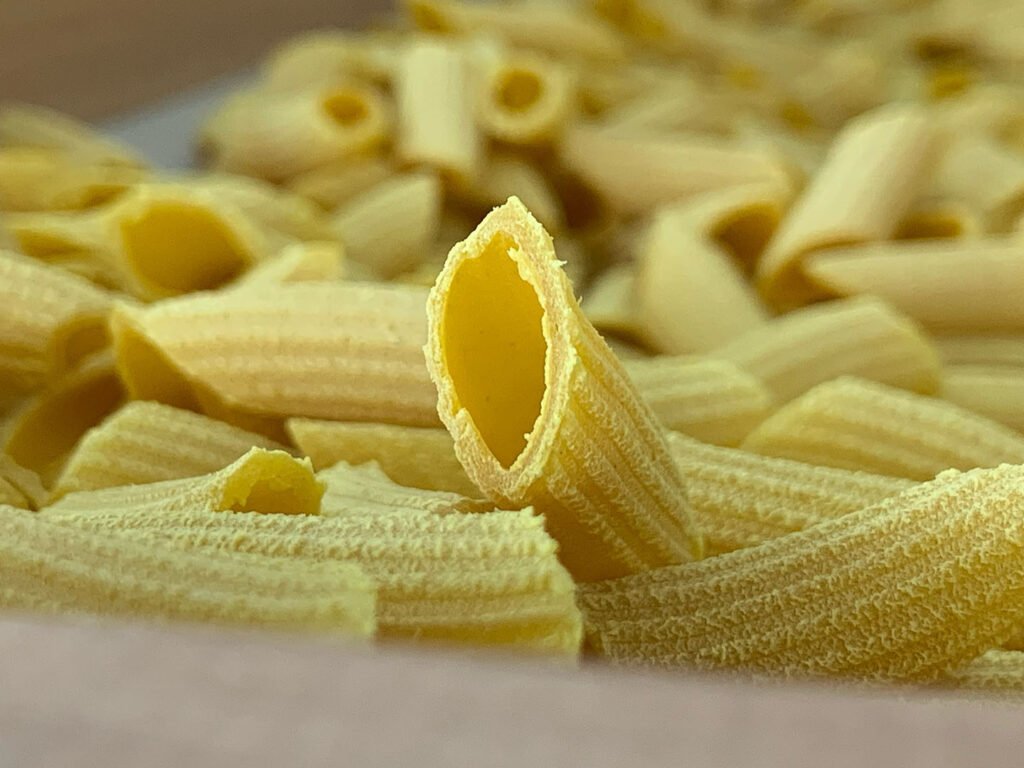
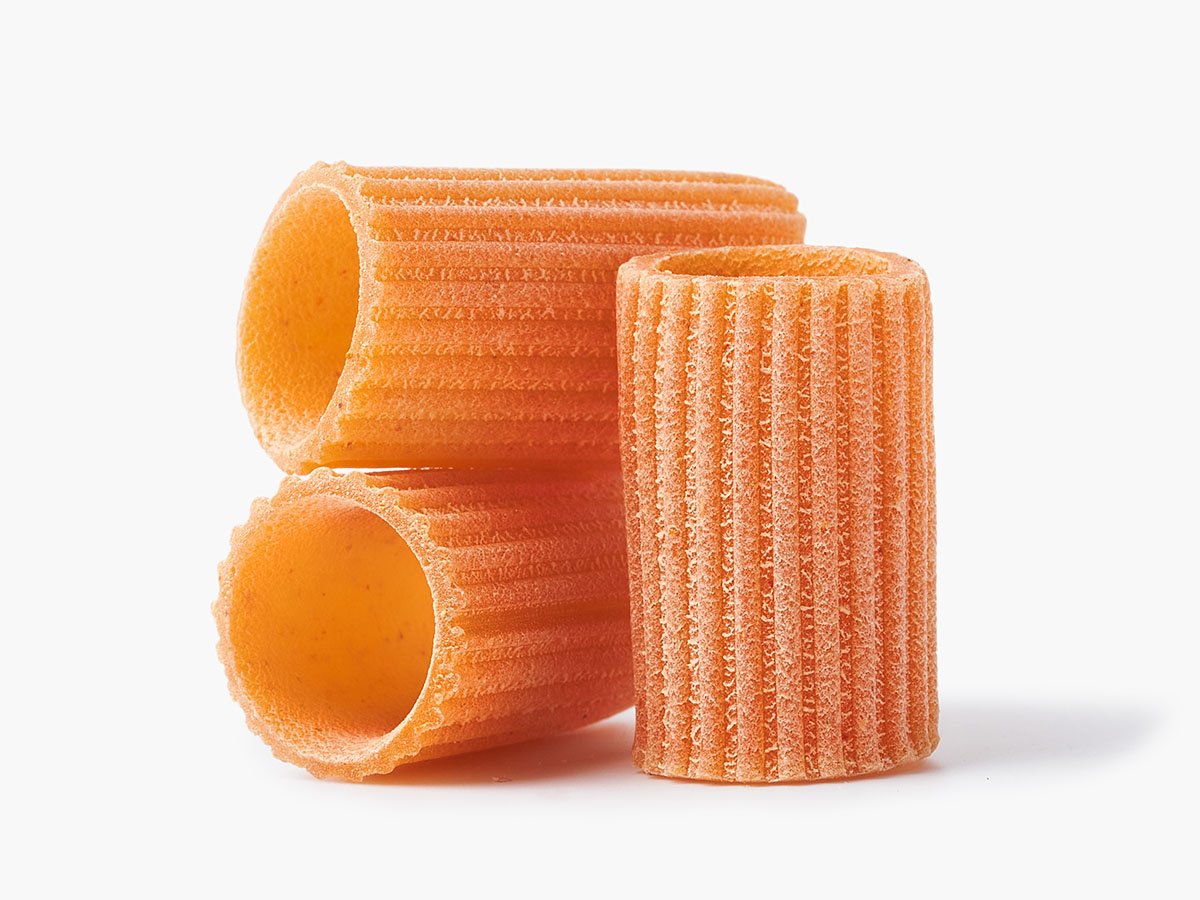
Another factor that made Fabbrura pasta unique is its rough texture. We used specialized bronze dies in the production process, which gave our pasta a slightly coarse surface. This roughness allows the sauce to cling more effectively to the pasta, creating a richer and more flavorful dining experience.
As said, pasta is often seen as a quick and convenient meal - no knife, no extra utensils. This means the pasta should be easy to eat, ideally fitting into your mouth without needing to tilt your head or struggle with oversized pieces.
To address this, I implemented a cheap yet simple solution. I designed a ruler that’s attached directly to our extruding machine. This allows workers to easily adjust the speed and cutting to ensure that every batch of pasta is perfectly sized. It’s a small but crucial detail that ensures consistency, so every piece of Fabbrura pasta meets our standards.
Another key aspect of our production process is hydration, which is critical both for the quality of the cooked pasta and for the drying process. Pasta that’s too wet will need more time in the drying chamber, which can slow down production and affect texture. However, achieving the right hydration isn’t as simple as adding a fixed amount of water to the batch.
The humidity of the semolina itself plays a vital role, so we needed to get that measurement right every time. To do this, we invested in a humidity checker, a tool that can assess the semolina’s moisture content in less than a second. Armed with this data, I created a precise chart that outlines how much water should be added to each batch depending on the semolina's humidity levels. This allows our team to fine-tune every batch, ensuring that each one is consistently hydrated and ready for the drying process.
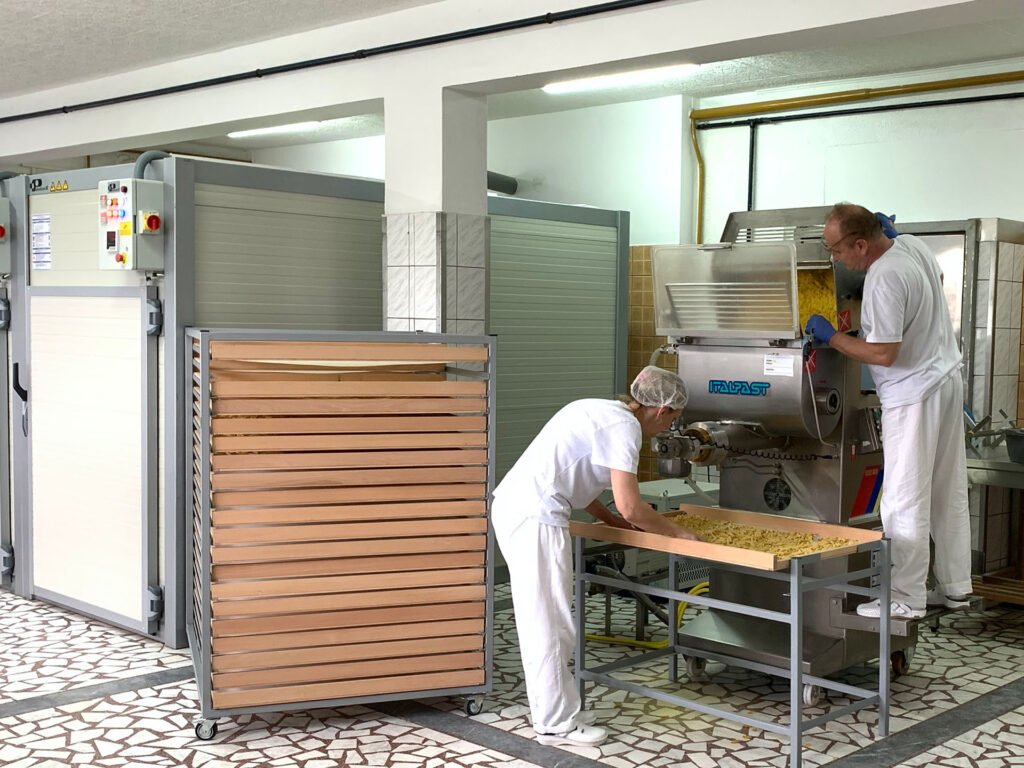
Thanks to these tricks, our workers could produce the same high-quality pasta every time, with consistent cooking properties and a reliable drying process.
Fabbrura quickly gained traction after launching, finding its way into the homes of pasta lovers in Serbia. Our artisan approach resonated with consumers, and before long, our pasta was being stocked in supermarkets across Belgrade and Novi Sad, two of the largest cities in the country.
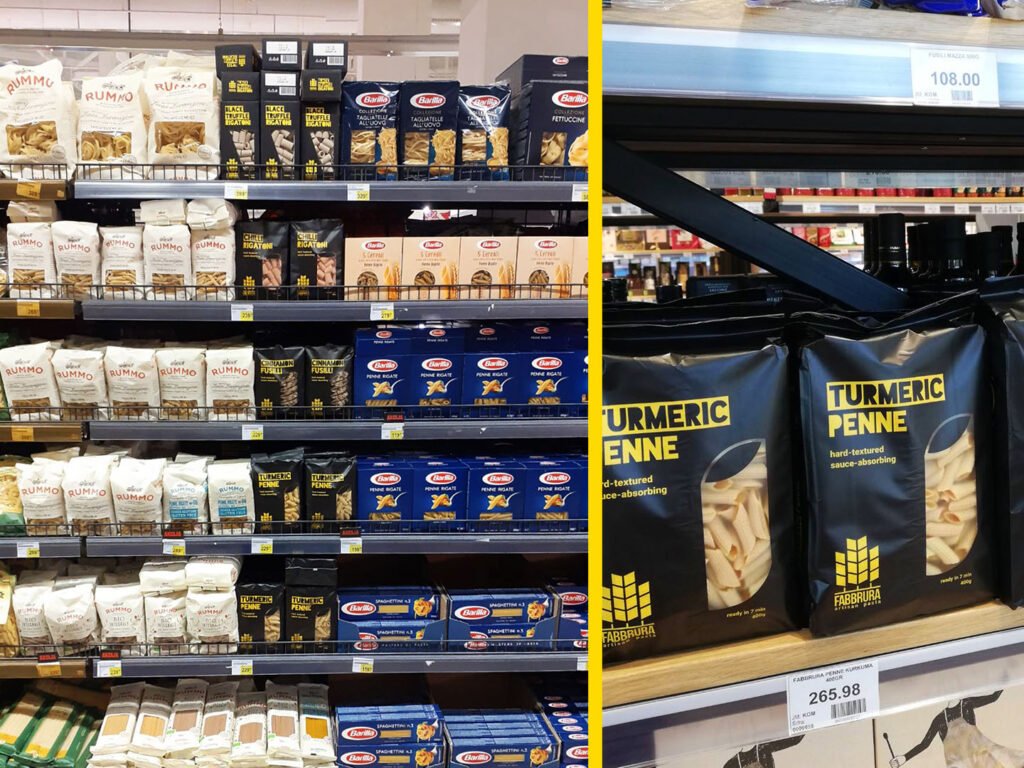
In addition to our local success, we expanded our reach by securing an export partner, allowing us to bring Fabbrura’s pasta to an international audience. This was a significant milestone for us, as it demonstrated the demand for our product beyond Serbia.
By 2022, we made the strategic decision to sell Fabbrura. It was a bittersweet moment, but one that allowed us to reflect on the achievements we had made in just a few short years.
Let's meet and discuss it